Oragenics is paying exactly zero dollars upfront for a technology it wants to frame as the second half of a complete TBI platform — 3.25 million shares of a new restricted preferred class, convertible one-for-one into common stock, is the entire consideration for an exclusive license to CardioDialysis in TBI and adjacent neurodegenerative indications. For a company with a market cap hovering well below $50 million, that currency choice is less a sign of strategic confidence than a hard constraint. The real question is whether this pairing has coherent commercial logic or whether it is two small-cap companies stitching themselves together for mutual survival.
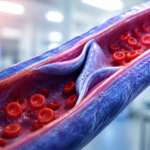
The dual-mechanism framing is genuinely interesting on paper. ONP-002, currently in Phase IIa for mild TBI, crosses the blood-brain barrier intranasally to suppress central neuroinflammation. CardioDialysis works extracorporeally, pulling inflammatory cytokines and endotoxins out of the bloodstream peripherally. TBI does produce a measurable systemic inflammatory response — that much is established — and there is a real scientific argument that peripheral clearance could reduce the secondary injury burden that crosses back into the CNS. But “interesting on paper” is where the argument currently lives. CardioDialysis has no FDA clearance, no approved indication, and no clinical data in TBI populations. The 3% royalty on sales, starting from first commercial sale per indication, is a structurally reasonable term — it only matters if either product ever gets there.
The LOI also still faces board approvals at both companies, NYSE American compliance review, an independent third-party valuation, and shareholder approval for the preferred stock conversion. That is a substantial closing checklist for a 90-day target window. Oragenics is effectively asking shareholders to dilute for an asset that sits at the preclinical-to-device-development boundary in a new indication, bundled with a lead drug that has not yet reported Phase IIa results. The competitive moat claim — sole company targeting TBI inflammation on both sides of the blood-brain barrier — is accurate by default because no other organization has attempted this specific combination, not because the combination has been validated.
The single marker that determines whether this LOI becomes a real strategic asset or a dilutive distraction is the Phase IIa readout for ONP-002. Without positive signal there, CardioDialysis adds no platform value — it becomes an expensive equity commitment attached to a pipeline in trouble.

Jon Napitupulu is Director of Media Relations at The Clinical Trial Vanguard. Jon, a computer data scientist, focuses on the latest clinical trial industry news and trends.